Sales Coaching vs. Sales Training: Which Does Your Team Actually Need?
By ASLAN Training
June 19, 2026
7 min read
Most development investments don't fail because of bad training or bad coaching. They fail because the two aren't connected, or because leaders are applying one where the other is needed.
That disconnect is expensive. Reps leave training with a shared language, but no coaching rhythm to reinforce it. Managers want to help, but without a clear structure, they default to advice, deal inspection, or whatever feels most urgent that week. Over time, the same pattern shows up in the field: reps understand the approach, but under pressure, they revert to the behavior that feels easiest.
Training and coaching solve different problems. They work at different points in rep development and break down in different ways when they're missing or misapplied. Getting the relationship between them right is one of the highest-leverage decisions a sales leader can make.
Key Takeaways
-
Sales training and sales coaching solve different problems: Training introduces new knowledge, language, and behaviors. Coaching develops those behaviors into sustained capabilities. Treating them as the same investment is one of the most consistent reasons development does not hold.
-
Sales leaders need to diagnose the gap before choosing the lever: A rep who never learned the framework needs training. A rep who understands it but reverts under pressure needs coaching. A rep who is unwilling to apply it may have a desire gap that has to be addressed first.
-
Sales coaching should start the moment training ends, not when reps start reverting: By the time regression is visible, the window for easy intervention has already narrowed. Coaching is what prevents reversion, not what corrects it.
-
Telling reps what to do after a call is advising, not coaching: Advising creates dependency. Coaching builds judgment, and it starts with the manager asking questions rather than providing answers.
-
Training and coaching make each other more effective when connected: Reps take training more seriously when they know their manager will coach to it. Coaching lands more efficiently when anchored in a shared methodology.
What Sales Training Is Built to Do
Sales training is where reps acquire a framework, build a shared language, and develop the conceptual foundation for a different approach to selling. Done well, it shifts how reps understand their role, not just what they do but why.
A rep who internalizes an other-centered approach to selling comes out understanding that buyer receptivity, not their pitch, determines whether a conversation goes anywhere.
That's not a technique adjustment. It changes the premise of how they sell.
What that shift produces is visible in how reps enter conversations. Before it, a rep walks into a call focused on what they need to communicate. After it, they walk in focused on what the buyer needs to be ready to move.
They ask different questions, listen for different signals, and handle resistance differently, not by pushing harder, but by addressing what's creating it.
When Training Is the Right Investment
Training is the right lever when reps have a knowledge or framework gap. The observable pattern: reps who can't read what's happening in a conversation, who miss signals a buyer is giving them, or who can't diagnose afterward why a call went the way it did.
They're not reverting to old habits. They never had the new ones.
Coaching alone won’t close that gap. Coaching develops a capability, but the rep still needs a foundation to build from.
Where Training Runs Out
A workshop has a hard boundary: it ends when the room empties. Reps return to their territories, their quota pressure, and years of ingrained habits. The behavior that held up in a role-play doesn't always survive a real buyer under pressure, especially in accounts where the rep has a long relationship to fall back on.
This isn't a failure of training design. It's structural.
A well-crafted training event introduces a capability. Something else has to sustain it.
What Sales Coaching Is Built to Do
Coaching is what sustains what training introduces. Where training works at the level of the team, coaching works at the level of the individual. It diagnoses what's limiting a specific rep in a specific set of conversations and builds toward change, one capability at a time.
Coaching isn't something you introduce when reps start reverting. By then the window has narrowed.
Coaching is the structure that prevents reversion in the first place. Any time you want a new capability to develop and hold, coaching needs to be present from the start.
Coaching vs. Advising
A manager who debriefs a call by telling the rep what they should have said isn't coaching. The rep nods. The same thing happens on the next call.
That's advising. It feels like development because the conversation happened, but what it produces is a rep who waits for the answer rather than builds the judgment to find it. The difference in outcomes compounds over time.
A coaching conversation works differently: the manager asks the rep to self-assess first, then surfaces the gap through questions rather than declarations. The rep arrives at the diagnosis. That's what changes what happens in the next conversation, and the one after it.
What Effective Coaching Requires
Effective coaching starts with accurate diagnosis, and that's where it most often breaks down. Two reps can look identical in a call review and need completely different interventions.
One hasn't bought into the approach: a desire gap. The other is willing but hasn't built the capability yet: a different problem entirely.
Coaching the wrong dimension wastes time and frustrates the rep. Understanding where each rep sits on desire and capability is what makes the rest of the work worthwhile.
Beyond diagnosis, the coaching relationship itself matters. A manager who surfaces the gap and hands the rep the answer gets compliance at best.
When the rep arrives at the issue themselves, through questions rather than declarations, they own the work. That shift from compliance to ownership is what makes development sustainable.
Why Getting the Sequence Wrong Is So Costly
Having training and coaching in place isn't enough. The problem many teams run into isn't absence. It's the wrong relationship between the two.
Training Without Coaching
A team goes through a strong program, scores well on assessments, and comes back energized. Six weeks later, nothing has changed.
That is not necessarily a training problem. The training may have introduced the right framework. But if there is no structure to reinforce new behaviors in the field, rep by rep, over time, reps inevitably revert.
Not because the training was weak, but because reverting is easier and no one is there to catch it.
Coaching Without Training
A manager who coaches reps on an approach they never learned rigorously is reinforcing habits built on a shaky foundation. The coaching may be consistent, but what it's building toward isn't sound.
This shows up most clearly in the relationships where sellers feel safest.
A seller may understand the discovery framework in training, but if their manager never coaches to it in real opportunities, the behavior won’t hold under pressure. In existing accounts, that reversion can happen even faster. The rep has history, access, and relationship equity, which can make it easy to rely on what they already know instead of earning the conversation again.
That is where the gap gets expensive. The issue is not that the rep forgot the training. It is that no coaching system was in place to help the new behavior survive the moment it mattered.
How Training and Coaching Build on Each Other
When training and coaching are connected, each makes the other more effective.
Training lands differently when reps know their manager will coach to it. The framework isn't theoretical anymore; it's something they'll be held to in real conversations.
Coaching lands more efficiently when it's anchored in a shared methodology. The manager and rep have a common language for diagnosing what happened and what to do differently.
What That System Requires in Practice
For coaching to reinforce training consistently, managers need three things working together:
- Diagnosis: A repeatable way to identify what's actually limiting a rep's performance, not just what happened on a specific call. A rep who caved on price may have a confidence problem, a belief problem, or a capability gap. Each requires a different response.
- Alignment: A way to get the rep to identify the gap themselves before building a development plan. When a rep names the issue, they own the work. When the manager hands them the diagnosis, they comply at best.
- Development: Activities specific enough to change a behavior. A plan that says "work on discovery" isn't a plan. One that says "before your next call with this account, prepare two questions that go deeper than the last conversation" is.
When those three things are in place and connected to the training methodology, development becomes the normal rhythm of how the team operates. Reps stop reverting because there's a structure in place to catch it. Managers stop coaching in isolation because the coaching is anchored to something shared.
Over time, the standard rises across the team. Not from a single event, but from a system that keeps building on itself.
In ASLAN’s work, teams that build this kind of system see an average 44% lift in performance. That is what happens when training does not fade after the event, because coaching is there to make it hold.
Build the System, Not Just the Program
The most important decision isn't whether to invest in training or coaching. It's whether they're connected.
If your team went through a program and the behavior didn't hold, the answer isn't more training. If your managers are coaching consistently but not seeing sustained change, the methodology underneath may need to be stronger.
Catalyst™ is built specifically around the coaching discipline that makes training stick. It equips managers to diagnose where each rep is, align around the gap, and develop capability that holds.
If you want to see how that works in practice, let's talk.


Unlock Your Team's Full Sales Potential
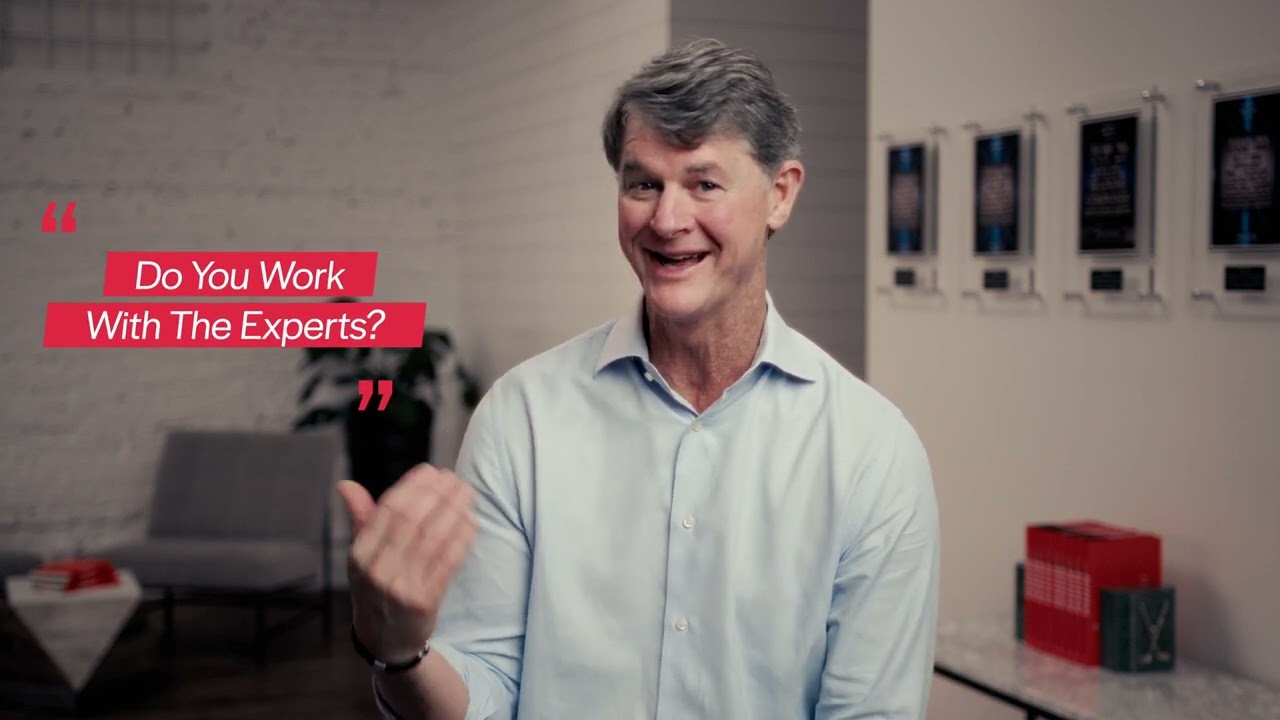
Questions? Watch our CEO, Tom Stanfill, address our frequently asked questions below.