EP. 247: Truth #10 - You Can't Improve What You Can't See (Blind Spots 101)
By ASLAN Training
July 16, 2026
6 min read
We all have a sign above our heads. Other people can see it, but we cannot.
That sign may reveal strengths we underestimate, habits that limit us, or blind spots we have carried for years without realizing they are there. Unless someone helps us see what is written on it, we are likely to keep making the same mistakes, underusing our strengths, or working on the wrong things entirely.
That is why one of the most valuable habits a seller, manager, or leader can develop is also one of the hardest: seek feedback before you think you need it.
"We all have a sign above our heads, and we can't see the sign. Unless we get feedback, we can't see what's on it."
Tom Stanfill
Key Takeaways
-
You cannot see your own blind spots. Without outside perspective, you may repeat behaviors that limit your effectiveness without realizing it.
-
Feedback is not only about fixing weaknesses. The right feedback can also reveal strengths, challenge false assumptions, and help you recognize capabilities you have overlooked.
-
Leaders create feedback cultures by modeling them. Teams are more likely to seek coaching when leaders openly ask for feedback themselves and show that it is safe to learn in public.
Listen to the 30-minute conversation here:
Blind Spots Are Invisible by Definition
The challenge with a blind spot is that you do not know it is there. You may leave a sales call convinced it went well, while someone else noticed that you interrupted the customer repeatedly. You may believe you came across as confident, while the buyer experienced you as dismissive.
The problem is not necessarily a lack of self-awareness or good intentions. It is that we cannot observe ourselves from the outside.
Tom Stanfill shared a simple example from an important client meeting. He was unknowingly rocking back and forth while speaking. John Cerqueira, sitting beside him, gently placed a hand on his knee to signal him to stop. Tom did not know he was doing it, and that is exactly the point. The behaviors that are most obvious to everyone around us can sometimes be the hardest for us to see in ourselves.
Without feedback, a blind spot can quietly become a pattern.
Seek Feedback Before Something Goes Wrong
Many people become most open to feedback after a bad outcome. A presentation falls flat, a deal is lost, or a difficult conversation goes poorly. At that point, we want to know what happened.
But some of the most valuable feedback comes after the moments we believe went well.
Tab shared an example of finishing a call feeling like he had crushed it. He was energized, passionate, and confident about the outcome. Even so, he asked someone he respected for feedback and received two or three observations he had completely missed.
"I thought I crushed it. But I asked someone I respected for feedback, and he gave me two or three really good points. I thought, dang, that's a blind spot. I did not see that."
Tab Norris
That is an important distinction. Feedback is most powerful when it is not treated as a postmortem reserved for failure. It should be part of how people improve even when performance appears strong.
A useful question after a call, presentation, or coaching conversation is simply: "What did I miss?"
That is very different from asking, "Was that good?" Those questions can unintentionally steer someone toward reassurance. Asking what you missed creates room for learning without assuming the answer.
Feedback Can Reveal Strengths, Not Just Weaknesses
One reason people resist feedback is that they often associate it with criticism. Feedback can feel like being called into the principal's office, so you assume the conversation will be about what went wrong.
But a trusted outside perspective can reveal strengths just as easily as weaknesses. You may be exceptionally good at simplifying complex ideas without realizing it because it feels natural to you. You may quickly build trust, ask unusually strong questions, or bring calm to high-pressure situations without seeing those capabilities as distinctive.
Feedback can also challenge the limiting stories people tell about themselves. Tab described telling his coach things like, "I'm not good at this." His coach challenged that assumption. Not being good at something now does not necessarily mean you cannot become good at it.
Sometimes the blind spot is not an overestimation of your ability. Sometimes it is the opposite.
"I was creating a self-fulfilling prophecy. Without that feedback, I would have kept going down that road. I'm realizing I can do a lot of things I didn't even realize I could do."
Tab Norris
Good feedback can help expose the ways you may be underestimating yourself just as much as the ways you may be overestimating yourself.
Choose Who You Trust, But Do Not Ignore Patterns
Seeking feedback does not mean giving every opinion equal weight. You can choose whom you ask, when you ask, and whose perspective you trust most.
The best feedback often comes from people who know you well, want the best for you, and are willing to be honest without being careless. Those are the people who can tell you the truth without making the conversation feel like judgment.
But that does not mean dismissing feedback from everyone else. As the saying goes, if one person tells you that you are a horse, ignore them. If three people tell you that you are a horse, buy a saddle.
One comment may be an outlier. A repeated pattern is harder to ignore. For sellers, that might mean hearing from multiple customers that discovery feels rushed. For managers, it might mean several reps saying coaching conversations become too directive. For leaders, it might mean repeatedly hearing that people are hesitant to speak candidly in meetings.
The point is not to react defensively to every criticism. It is to become curious when the same signal keeps appearing.
Leaders Create Feedback Cultures by Going First
Most leaders say they want coachable teams. They want sellers who ask, "How can I get better?" They want managers who welcome input rather than defend themselves.
But a culture of feedback is difficult to create through instruction alone. Leaders have to model it.
When a leader openly asks for feedback, listens without becoming defensive, and demonstrates that learning is safe, it changes what the team believes is acceptable. The opposite is also true. A leader who expects everyone else to be coachable but rarely invites feedback sends a very different message.
"The best way to inspire feedback is for you, as the leader, to be the one asking for feedback. If you create a culture where you're seeking it, your team will seek it too."
Tom Stanfill
The strongest way to encourage a team to seek feedback is to become visibly willing to seek it yourself. Ask after the meeting. Ask after the call. Ask the people who know you well enough to be honest. Then show that the answer will not be punished.
That is how feedback becomes part of the culture rather than something people brace for.
Seek Feedback Before Your Blind Spots Become Limitations
There is something you want to achieve that you have not achieved yet. It might be a stronger sales conversation, a better coaching relationship, a more effective team, a bigger leadership role, or simply a different future state.
Someone may be able to help you get there, but only if you are open to hearing what you cannot see on your own.
We all have a sign above our heads. The goal is not to eliminate every weakness or become perfectly self-aware. That is not realistic. The goal is to know what is on the sign, recognize your strengths, identify the patterns that hold you back, and then decide, with better information, what you want to do next.
That starts with a simple question:
What am I missing?
See More Clearly by Focusing Less on Yourself
Blind spots are difficult to overcome when your attention is centered primarily on your own performance, your own agenda, or what you want to happen next.
That is one reason Other-Centered® Selling matters.
ASLAN's Other-Centered® Selling approach helps sellers shift their attention away from themselves and toward the customer, their priorities, their concerns, and how they are experiencing the conversation. That shift can make it easier to notice what you may otherwise miss, from a buyer's hesitation to the impact of your own behavior.
The more focused you become on truly understanding others, the better positioned you are to recognize the gaps between what you intended and what someone else actually experienced.
That kind of awareness does not eliminate blind spots, but it creates the conditions to see them sooner, respond with more curiosity, and keep improving.
Learn more about ASLAN's Other-Centered® Selling training and how it helps sellers build the awareness, receptivity, and skills needed to create stronger customer conversations.


Unlock Your Team's Full Sales Potential
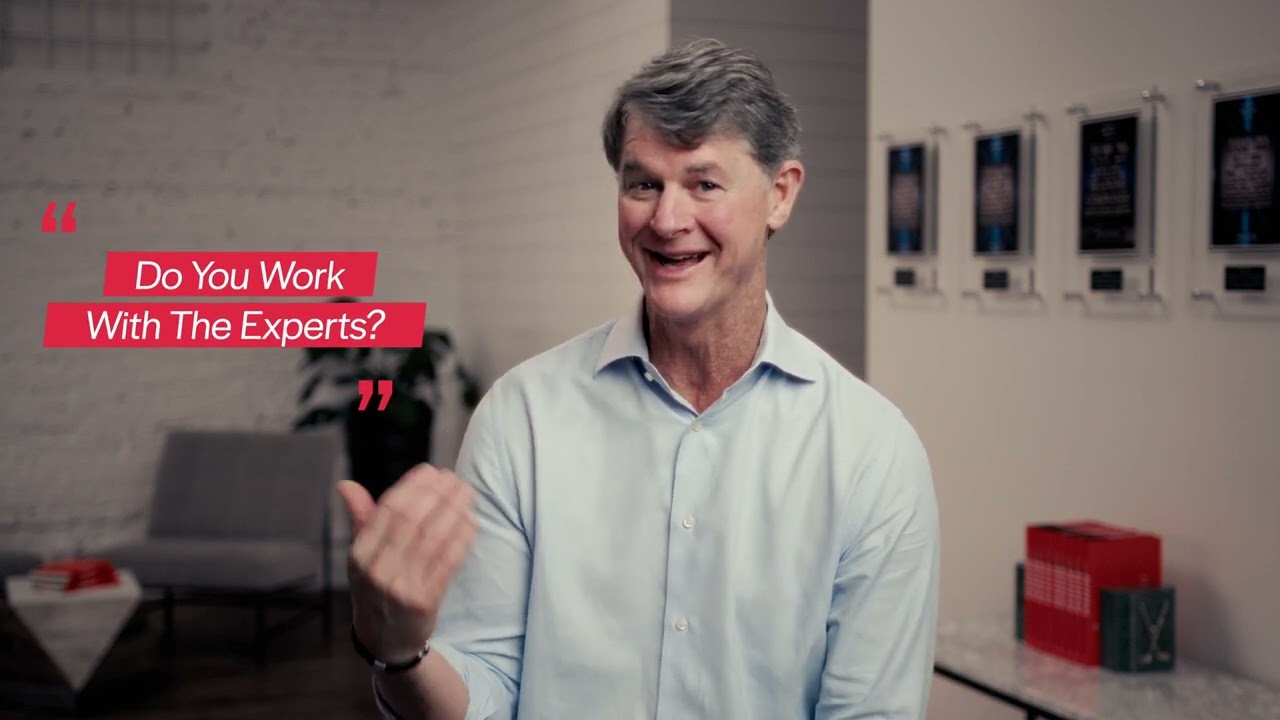
Questions? Watch our CEO, Tom Stanfill, address our frequently asked questions below.