Ep. 243: Truth #6: Customers Trust Partners, Not Reps
By ASLAN Training
May 7, 2026
6 min read
In the latest episode of Sales with ASLAN, Tom Stanfill and Tab Norris unpack new research from nearly 500 buyers and 500 sellers.
The headline is simple, but uncomfortable: buyers don’t need sellers for information the way they used to. AI, digital research, peer networks, and internal buying committees have changed the role of the rep. But that doesn’t mean sellers matter less.
It means the standard for earning trust has gone way up, which means buyers don't simply want a rep anymore; they want a partner to guide them.
Tune in to the full episode below to learn what this research means for you and how you can help shift your team in the direction buyers want.
Listen to the 30 minute conversation here:
Key Takeaways from the Buyer-Seller Research
The research revealed several important shifts in how buyers evaluate sellers today:
- Buyers are less dependent on reps for information. 42% of buyers say they are significantly less dependent on sales reps for information.
- Buyers will switch for meaningful insight. 50% of buyers said they would switch vendors if a seller provided unique insights and customized solutions.
- Lack of preparation kills engagement. 37% of buyers cited lack of preparation as the top inhibition to engaging with sellers.
- Customization is now the standard. Buyers are not looking for generic product conversations. They expect sellers to understand their business, their priorities, and their decision drivers.
- Sellers know the shift is happening, but execution is lagging. While 90% of sellers understand the need to become partners rather than vendors, many still struggle to change their approach.
The takeaway is clear: buyers still value sellers, but only when sellers bring something the buyer cannot easily get on their own.
Here are four ways sellers can earn that position.
#1 Buyers Don’t Want Product Representatives. They Want Partners.
One of the clearest findings from the research was that buyers increasingly trust partners more than traditional product representatives.
That makes sense. Buyers can find product information almost anywhere. They can compare solutions, read reviews, use AI to summarize options, and talk to peers before they ever meet with a seller.
So when they do engage, they’re not looking for someone to repeat what they already found online.
They’re looking for someone who can help them think.
The research showed that 42% of buyers say they are less dependent on sales reps for information. That doesn’t eliminate the seller’s value. It just changes where that value has to come from.
The seller who wins is no longer the person with the best product presentation. It’s the person who understands the buyer’s world, brings a point of view, and helps the customer see something they could not see on their own.
That’s the shift from vendor to partner.
#2 Unique Insight and Custom Solutions Create Movement
The research also found that 50% of buyers would switch vendors if a seller brought unique insights and customized solutions.
That should get every sales leader’s attention.
Most customers are not looking to change vendors just because someone has a slightly better feature set. Change is risky. It takes time, political capital, and internal alignment. So if a buyer is willing to switch, it usually means the seller helped them see a problem, an opportunity, or a path forward that was meaningful enough to prompt a reconsideration of the status quo.
That doesn’t happen through generic discovery.
It doesn’t happen through a standard demo.
It happens when sellers understand the customer’s whiteboard: their pressures, priorities, risks, and goals. Then they connect their insight to what matters most to that specific buyer.
This is where many sales organizations say the right thing but struggle to execute it. Most sellers know they should customize. But under pressure, they fall back into the same deck, the same questions, the same talk track, and the same playbook.
The problem is not always effort; it's capability.
If reps don’t know how to develop expertise, form a point of view, and tailor the conversation around the customer’s business, they will keep sounding like everyone else.
#3 Lack of Preparation Is Still One of the Fastest Ways to Lose Trust
According to the research, 37% of buyers cited a lack of preparation as the top barrier to engagement.
That number is painful because it is so fixable.
A buyer can tell very quickly whether a seller has done the work. They hear it in the first question. They feel it in the way the seller frames the conversation. They know whether the rep is trying to understand their business or simply trying to get to the pitch.
Preparation is not just researching the company website.
It means understanding the buyer’s context well enough to enter the conversation with relevance. What is likely on their whiteboard? What external pressures are affecting their business? What would make this conversation worth their time?
When preparation is weak, the buyer has to do the work for the seller. They have to explain the basics, connect the dots, and listen politely while the rep searches for relevance.
That creates resistance.
When preparation is strong, the conversation feels different. The buyer feels understood sooner. The seller earns more question allowance. And the meeting becomes about the buyer’s world, not the seller’s agenda.
#4 Business Discovery Has to Replace Product-Centric Selling
Tom and Tab also highlighted a key shift for sellers in an AI-driven market: business discovery matters more than product expertise alone.
Product expertise still matters. But it is not enough.
Buyers do not need a seller to read the brochure to them. They need a seller who can uncover decision drivers, understand why change matters, and connect the solution to business outcomes that matter personally and organizationally.
That requires a different kind of discovery.
It means asking questions that help the buyer clarify what is really driving the decision. It means listening for what is not being said. It means moving beyond surface needs into the business impact, emotional drivers, and internal dynamics shaping the decision.
This is especially difficult in virtual selling environments, where buyers are more guarded, and sellers have fewer relational cues. But that makes the discipline even more important.
If a seller cannot create receptivity, the buyer may answer questions politely without ever opening up.
That’s why the goal of discovery is not to collect information. The goal is to help the buyer feel understood, see the problem more clearly, and become open to a recommendation.
Why Sellers Struggle to Make the Shift
One of the more interesting tensions from the conversation was this: 90% of sellers understand the need to become partners rather than vendors, but many still struggle to change.
That gap matters.
It tells us the issue is not awareness. Most reps know the buyer has changed. They know generic selling does not work like it used to. They know buyers expect more relevance, more insight, and more customization.
But knowing the right direction is not the same as moving there.
Fear gets in the way. Ego gets in the way. Systems get in the way. Compensation plans, activity metrics, rigid playbooks, and product-first enablement can all pull sellers back into old behaviors.
This is where sales leaders have to be careful. If you tell reps to become trusted partners but inspect only activity, they will optimize for activity. If you tell them to customize but give them only generic messaging, they will sound generic. If you tell them to bring insight but don’t equip them to develop expertise, they will default to product knowledge.
Reps need more than a new expectation.
They need the capabilities, coaching, and reinforcement to sell differently when the pressure is real.
Equip Sellers to Become the Partners Buyers Trust
The buyer has changed. But the opportunity for sellers has not gone away.
Buyers still need clarity. They still need confidence. They still need someone who can understand their business, challenge their thinking, and help them make the best decision.
What they don’t need is another seller running the same playbook.
The research Tom and Tab discussed makes the path forward clear. Sellers need to prepare more deeply, lead with business discovery, bring a point of view, and customize every interaction around what is actually on the buyer’s whiteboard.
That’s how sellers move from product representatives to trusted partners.
If you’d like to see the full research findings, schedule a research briefing to walk through the data and its implications for your team.


Unlock Your Team's Full Sales Potential
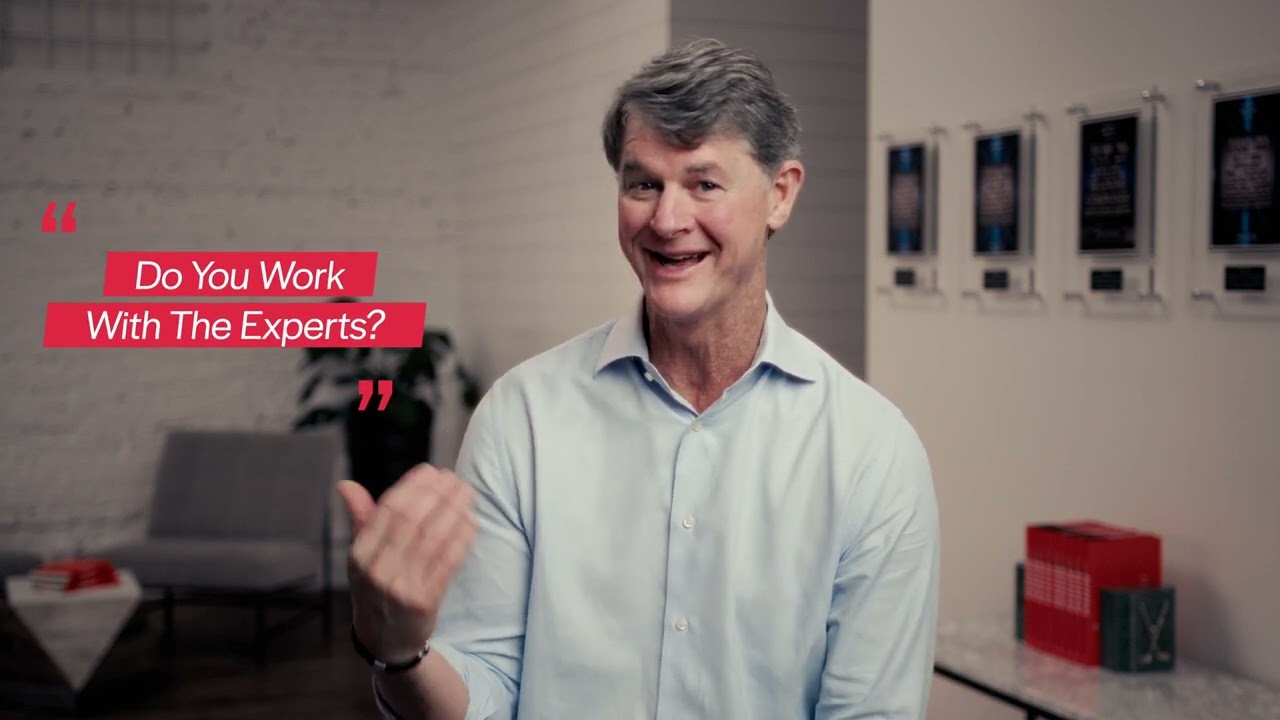
Questions? Watch our CEO, Tom Stanfill, address our frequently asked questions below.