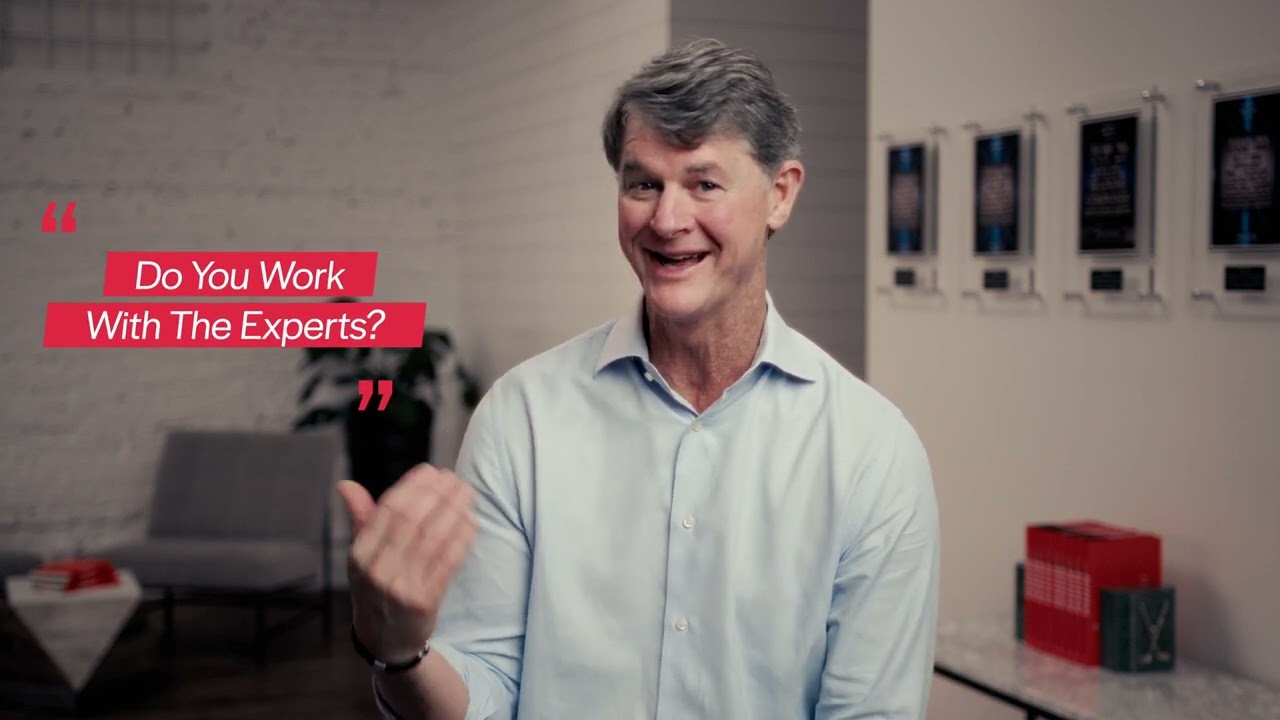
Tom Stanfill and Tab Norris are back in the studio for another episode of Sales with ASLAN, continuing ASLAN’s 30-part anniversary series, “30 Truths That Have Stood the Test of Time.”
Truth #1 set the foundation: receptivity matters more than communication skill. In this episode, they build on that idea with a simple truth that shows up in every sales conversation, every relationship, and every moment where influence matters.
Truth #2: Motive is ultimately transparent.
Watch the 35 minute episode below
Why This Truth Matters More Than Sellers Realize
You can manage behaviors for a while, you can polish your pitch, you can choose the “right” words. But at some point, your real intent shows up.
As Tom puts it, your “filter” eventually breaks down. Your motive affects everything:
- The questions you ask
- How you listen
- Your posture and tone
- What you recommend
- The next step you push for
Or as Tab summarizes it, motive is “simple, but extremely powerful.” It is also a little eerie.
The Giveaway Signals in Sales Conversations
Tab asks a great practical question: If people cannot truly hide their motives, what gives it away?
Tom points to what most of us have experienced, even if we never named it:
- Facial cues and micro-reactions, especially in person
- The moment someone zones out, looks impatient, or wants to interrupt
- Subtle “tells” that communicate anxiety, defensiveness, or agenda
Tom references a detail from his book UNRECEPTIVE about the many muscles (43 to be exact) in the face and how hard it is to fully mask what we feel. Even on Zoom, people often sense when someone is not present, not curious, or trying to force a deal.
One of the best indicators is this: people can distinguish between curiosity and control.
Two Stories That Prove the Point
Tom shares an early-career story that still makes him cringe. He walked into a meeting prepared to talk about inside sales. The customer asked if ASLAN did customer service training.
Tom said yes.
He grabbed a legal pad and started sketching a “program” that did not exist.
Then, as if scripted for comedy, the fire alarm went off. He left thinking the interruption saved him.
He never heard from her again.
Tab adds his own version of the same lesson. A prospect asked, “Do you guys do annex training?” Tab said "yes, of course", despite not knowing what annex training was.
The client did not follow up, and Tab is pretty sure his face told the truth before his words did.
The point is not shame, it is clarity: When you are desperate, your motive leaks.
Don't Just Manage Behavior; Reset the Compass
Tab connects the discussion to one of Tom’s most useful lines from UNRECEPTIVE:
“We must reset the compass instead of just managing behavior.”
Tom explains it like this: our default setting points to self. In every meeting, we naturally think about our outcomes, our image, our stress, and our wins. It is normal, but it is also the enemy of trust.
Resetting the compass is a decision you make before the conversation starts:
- The customer is the hero of the story
- Your role is to serve their best interest
- The best outcome might be to buy from you, buy a little, delay, buy from someone else, or buy nothing
That last part matters. Tom names the four real options in any sales conversation:
- Buy what you recommend
- Buy something smaller
- Delay
- Buy from a competitor or do nothing
A trusted partner can represent all four. A salesperson with “commission breath” cannot.
What Other-Centered® Selling is Not
This episode is not a call to be passive, agreeable, or “nice.”
Tom makes it explicit:
- Being Other-Centered® does not mean avoiding challenge
- It does not mean skipping hard conversations
- Serving does not equal weakness
A relationship manager avoids discomfort to maintain a smooth relationship. A trusted partner is willing to challenge because they are committed to the customer’s success.
Tom gives an example from their work in pharma: if a customer is making a harmful decision, a trusted partner does not stay silent just to preserve comfort. They ask better questions, they raise the issue, and they help the customer evaluate the best path forward.
Identity Drives Behavior: The Path to Becoming a Trusted Partner
Later in the conversation, Tom names something many sellers feel but rarely say out loud:
Some people logically agree with Other-Centered® selling but struggle to do it consistently.
His explanation: it is often an identity issue.
Tom outlines four common roles sellers default to:
- Relationship Manager: great at connection, hesitant to lead
- Sales Rep: focused on representing products
- Consultant: helps solve problems, operates higher in the org
- Trusted Partner: represents the customer, earns early access, speaks truth
His conclusion is simple: Trusted partners do not rep their product; they rep the customer.
And when that is your identity, resetting the compass becomes less of a technique and more of a reflex.
Curious Questions Beat Trap Questions
One of the most memorable moments comes when Tom describes what shifts after you reset the compass:
"When you are Other-Centered®, you ask curious questions, not trap questions."
Trap questions lead people down your path. Curious questions help you understand their world.
And people can tell which one you are doing.
Because motive is ultimately transparent.
Want More Like This?
This episode is part of ASLAN’s “30 Truths” anniversary series. If you found it helpful, subscribe to Sales with ASLAN and leave a review. It helps more people find the show and build trust where it matters most, in the conversations that drive growth.