Looking Back: 30 Years of Other-Centered® Transformation with ASLAN
ASLAN turns 30 this year. For a sales training company, that’s a long time to stay focused on one simple idea: that sales works best when you put the other person first.
Over those three decades, trends have come and gone. Methodologies have promised shortcuts. Technology has reshaped how teams work. But one barrier hasn’t changed: buyers who are busy, skeptical, and pretty tired of being “sold to.”
This is the story of how the Other-Centered® idea began, how it spread, and how it has evolved. And if you lead a complex B2B sales team, it may feel familiar. Because in many ways, it’s the same journey you’ve been on.
The Origin Story: Where ASLAN Began (And Why)
Back in the mid-90s, most sales training promised better results if sellers pushed harder, followed the script, and mastered a few clever closes. At the time, ASLAN’s eventual co-founders, Tom Stanfill and Tab Norris were seeing something different in real conversations: buyers shutting down long before any “technique” could matter. You could see it in the body language. You could feel it in the first few minutes of a call.
The problem wasn’t a missing step in the process. The problem was a lack of receptivity.
If you’ve led a team long enough, you’ve probably seen it too: great slides, polished pitches, and customers who have already decided they’re not listening.
So when Tom and Tab finally started ASLAN in 1996, they built it around a straightforward conviction: sellers are most influential when they show up to serve, not to pressure.
Instead of asking, “How do we get this deal across the line?” the question became, “How do we make it easier for this customer to be honest, open, and willing to talk?”
That shift is what turned into ASLAN’s Other-Centered® philosophy. It’s simply putting the customer’s world, priorities, and constraints at the center of the conversation, and being willing to do what’s right for them, even when it doesn’t line up perfectly with your forecast.
What Happened When the Pressure Came Off
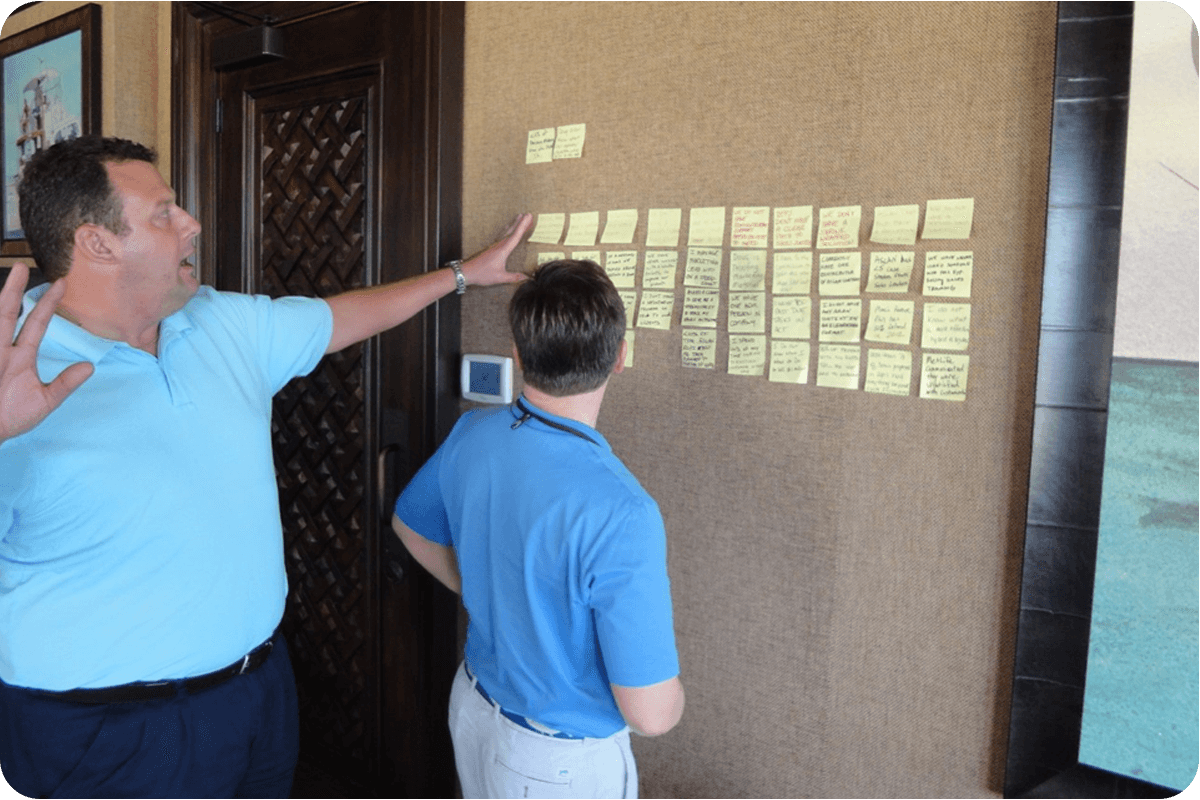
When sellers stopped pushing and started serving, something shifted.
The first ASLAN workshops were small. A handful of teams frustrated with “old school” sales and willing to try something different. The feedback they gave was simple: conversations felt better, resistance dropped, and deals moved forward without all the pressure.
Over time, those early wins led to more leaders asking for help with the same core issue: “My team is working hard, but our customers are tuning out anyway.”
Thirty years later, ASLAN’s approach is being used by sales organizations in 47 countries and 17 languages, across industries like manufacturing, life sciences, technology, insurance and more. The geography and logos have changed, but the work really hasn’t.
Whether it’s a global enterprise or a regional team, the focus is still the same: remove buyer resistance, build real trust, and grow the accounts that matter most.
The Real Test: Would It Hold?
Changing conversations is one thing. Changing an organization is another.
You can introduce new language. You can equip teams with new capabilities. But if coaching doesn’t reinforce it, if leadership models something different, if account strategy still rewards urgency over alignment, the old gravity pulls everything back to where you started.
That’s where ASLAN’s Other-Centered philosophy was really tested.
Other-Centeredness can’t live only in sales conversations. It also has to shape how front-line leaders develop their teams. It has to influence how complex accounts are grown and protected. It has to show up in the systems surrounding the seller, not just in the seller’s behavior.
So what started with Other-Centered Selling expanded.
Initiatives like Catalyst™ helped leaders reinforce the philosophy in everyday coaching conversations. Strategic Account Management applied the same conviction to long-term account growth. And across the broader body of work, the objective stayed consistent: make sure Other-Centeredness wasn’t a one-off event; it was embedded in how sales organizations lived and breathed every day.
The formats evolved. The language matured. But the belief never changed: pressure creates resistance. Service lowers it.
An idea that lasts 30 years (and counting) has to hold up everywhere, not just in theory.
The Future Is Other-Centered: Reinforcing a New Era of Sales
For three decades, the challenge has been alignment. We’ve had to make sure the Other-Centered philosophy continues to hold up inside real organizations.
Now, the landscape is shifting again.
These days, teams aren’t sitting together overhearing calls and learning by proximity like they used to. Coaching conversations that once happened in the hallway now have to be scheduled, if they happen at all. And on the buyers’ end, they’re more informed, more skeptical, and moving faster than ever before.
And amidst all of that, AI is accelerating how quickly information (and expectations) travel.
The human side of influence hasn’t changed. But the environment where we have to earn that influence absolutely has.
At the end of the day, a great workshop still matters. But one workshop was never meant to carry the full weight of behavior change, especially in a world that moves this quickly.
So if our Other-Centered philosophy is going to define the future of sales, it has to live inside the daily rhythm of work. Today’s work, when, where and how it actually happens.
That’s the thinking behind ASLAN+.
Not as a replacement for training, but as reinforcement in the flow of work. A way for sellers to practice difficult conversations between calls. A way to revisit core disciplines in small, focused moments. A way for leaders to see where their teams are gaining traction, and where the old gravity is pulling them back.
Instead of training being a one-time event, the work becomes continuous. Visible. Habit-forming.
The tools have evolved, but the conviction driving them hasn’t.
Why Other-Centered® Still Matters (Maybe More Than Ever)
If anything, buying has gotten harder.
There are more stakeholders involved in every decision. More options on the table. More noise competing for attention. And now AI is reshaping how both sellers and buyers evaluate what’s real and what’s not.
In that kind of environment, pressure doesn’t just fall flat. It creates distance. And distance is expensive.
It may sound counterintuitive, but what stands out now isn’t the most polished pitch. It’s the seller who listens carefully. Who tells the truth. Who is willing to recommend what’s actually best for the customer, even when it complicates the short-term win.
That’s why Other-Centered® is still the center of everything ASLAN stands for.
It gives sellers a simple filter for every interaction:
- Am I making this easier or harder for the customer?
- Do they see me as a partner or just another vendor?
- Am I willing to serve them, even if it costs me something in the short term?
Thirty years in, our fundamentals haven’t changed. Remove resistance. Build trust. Grow the accounts that matter.
The tools we use to get there might look different. The environment is certainly louder. But the work — the real work — is the same.
A Simple Thank You (And What’s Next)
Anniversaries are a chance to look back, but they’re really about people.
For ASLAN, that means:
- The clients who took a chance on a different way to sell.
- The leaders who pushed for culture change when it would have been easier to stick with the old playbook.
- The partners who helped ASLAN reach new teams and new markets.
- The thousands of sellers and managers who chose to show up Other-Centered in a world that often rewards shortcuts.
From those first workshops in Roswell, Georgia, to global rollouts across 47 countries, we’re grateful for every opportunity we’ve had to serve.
Thirty years is a meaningful milestone. But it isn’t a finish line.
And now? It’s back to work, helping sales teams remove resistance, earn trust, and make selling feel different for customers and for the people who do it every day.
If you’re curious about the lessons behind those three decades, this year, our Sales with ASLAN podcast centers on “30 Truths for 30 Years.” In each episode, Tom and Tab revisit one principle that has shaped ASLAN and explore how it applies today. Tune in and subscribe on Spotify or Apple Podcasts.


Unlock Your Team's Full Sales Potential
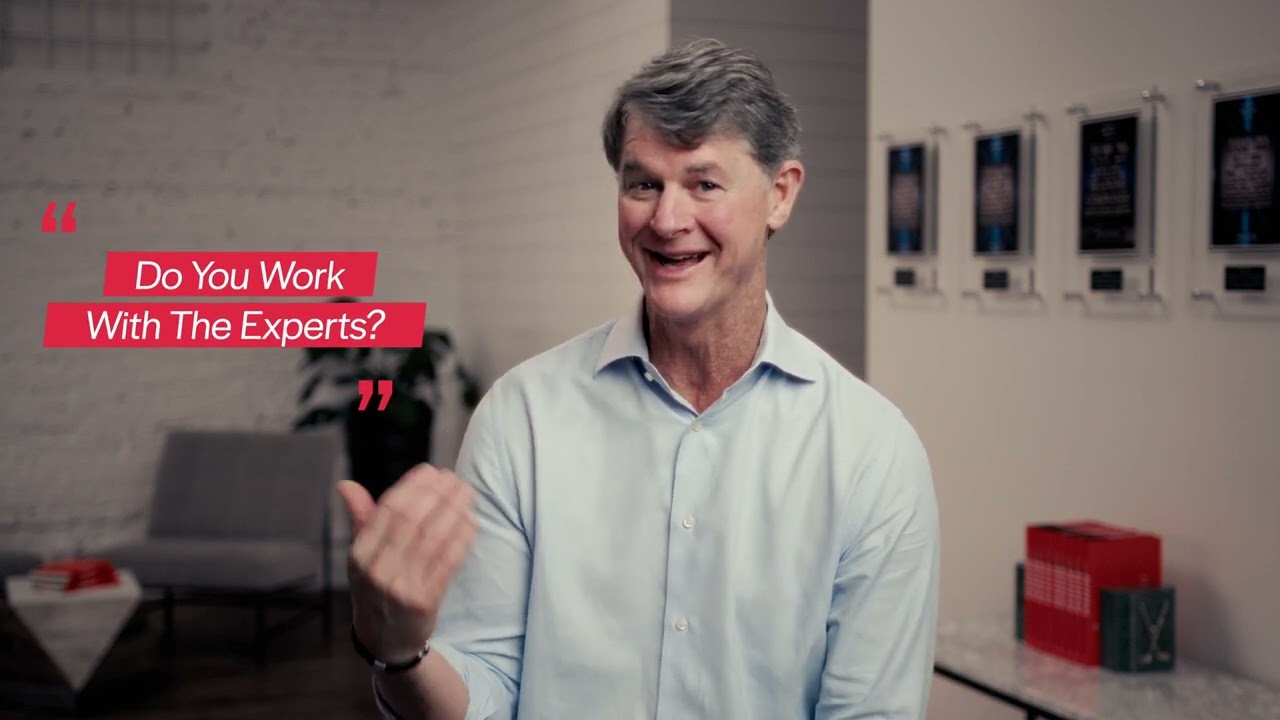
Questions? Watch our CEO, Tom Stanfill, address our frequently asked questions below.